



In a world where buyers are sceptical, budgets are scrutinised and attention spans are short, proof wins.
Claims don’t convert. Evidence does.
That’s why understanding how to successfully use case studies in your marketing is no longer optional for ambitious UK businesses — it’s essential.
Whether you’re targeting manufacturers, professional services, SaaS buyers or supply chain partners, case studies sit at the heart of modern B2B strategy. They fuel Google rankings, AI search visibility, sales enablement, bid responses and lead generation. When done properly, they build trust at scale.
In this guide, we explore how to successfully use case studies in your marketing — with data, structure, strategy and practical steps you can implement immediately.
Buyers now conduct up to 70% of their research before speaking to sales (Gartner). That means your website and content must answer objections, demonstrate outcomes and show measurable results without a salesperson present.
Consider these statistics:
If you want to know how to successfully use case studies in your marketing, the answer begins with understanding this: buyers trust peers more than brands.
Case studies provide:
In competitive UK markets, especially manufacturing, professional services and technical sectors this matters.
Within an E-E-A-T (Experience, Expertise, Authoritativeness and Trustworthiness) marketing structure, case studies act as living proof that your knowledge is not theoretical but applied and commercially effective.
Experience is demonstrated through real-world delivery and measurable outcomes; expertise is evidenced in the strategic thinking and methodology explained within the narrative; authoritativeness is reinforced when recognised brands, sector specialists or complex projects validate your capability; and trustworthiness is strengthened through transparent data, named testimonials and clear performance metrics.
Search engines and AI platforms increasingly prioritise content that signals genuine experience backed by outcomes, and case studies do exactly that. When structured correctly with defined challenges, strategic rationale, quantifiable results and client endorsement they move your website beyond claims into credible proof, which is the cornerstone of a strong E-E-A-T marketing framework.
Before exploring how to successfully use case studies in your marketing, we need to define what a good one looks like.
A strong case study includes:
It is not a sales pitch. It is a story. The best-performing case studies follow a proven narrative arc:
Situation → Challenge → Action → Results → Future Impact
When marketers master this structure, they begin to understand how to successfully use case studies in your marketing across channels.
One of the biggest mistakes businesses make is writing case studies about work they are proud of rather than work their prospects care about. If you want to know how to successfully use case studies in your marketing, start here:
Select projects that:
For example, if you want to attract aerospace manufacturers, don’t lead with a hospitality case study.
Forward-thinking marketing aligns case study selection with future pipeline strategy.
Vague results kill credibility.
Instead of:
“We increased enquiries significantly.”
Say:
“Enquiries increased by 42% within six months, generating £480,000 in additional pipeline value.”
Statistics matter.
According to Demand Gen Report, 47% of B2B buyers expect content to include specific data points and measurable outcomes.
When considering how to successfully use case studies in your marketing, always ask:
Quantification transforms marketing from opinion to proof.
Modern case studies must be built for discoverability.
Understanding how to successfully use case studies in your marketing means designing them to rank and surface in AI-driven search engines.
Optimisation essentials:
AI tools increasingly favour structured, factual, outcome-driven content. A well-written case study can appear in:
Case studies are high-authority content assets.
If you truly understand how to successfully use case studies in your marketing, you won’t treat them as one-page PDFs buried on your website.
Repurpose intelligently:
Statistics show that brands who repurpose content strategically see 60% greater content ROI. Case studies are content multipliers.
Understanding how to successfully use case studies in your marketing also means mapping them to sales stages.
Awareness stage
Focus on strategic challenges and industry trends.
Consideration stage
Demonstrate methodology and expertise.
Decision stage
Show measurable ROI and testimonials.
According to HubSpot, businesses that nurture leads with relevant content generate 50% more sales-ready leads at 33% lower cost.
Case studies are central to that nurturing process.
Even in B2B, decisions are emotional.
Harvard Business Review reports that B2B buyers are 50% more likely to purchase when they see personal value alongside business value.
So, when thinking about how to successfully use case studies in your marketing, don’t just include metrics include:
Human stories convert.
Long blocks of text reduce engagement.
Enhance your case studies with:
Visual content increases retention by up to 65% compared to text alone.
When exploring how to successfully use case studies in your marketing, presentation matters as much as content.
A case study without a client quote lacks authenticity.
Include:
92% of people trust recommendations from peers over branded messaging. Testimonials reinforce the narrative.
Case studies should actively support sales teams.
When sales teams use relevant case studies in proposals, conversion rates can increase by up to 22%.
If you truly understand how to successfully use case studies in your marketing, you’ll integrate them into:
Marketing and sales alignment is critical.
An outdated case study undermines credibility.
Review annually:
Future-focused brands refresh their proof points regularly.
Knowing how to successfully use case studies in your marketing means treating them as living assets.
Even experienced marketers get this wrong.
Avoid:
Transparency builds trust.
AI platforms prioritise:
Businesses who understand how to successfully use case studies in your marketing are already preparing for AI-first discovery.
Include:
Think beyond traditional SEO when discovering how to successfully use case studies in your marketing.
There is no magic number.
However, high-performing B2B websites often feature:
More importantly, they align with strategic growth sectors. Quality beats quantity but volume builds authority.
To assess whether you’ve mastered how to successfully use case studies in your marketing, track:
Case studies often drive high dwell time a positive ranking signal.
One of the most effective ways to leverage case studies is to compile them into a single, well-structured document. Rather than scattering individual stories across your website or marketing channels, a consolidated collection allows prospects to see a broader picture of your capabilities, sector experience, and measurable results.
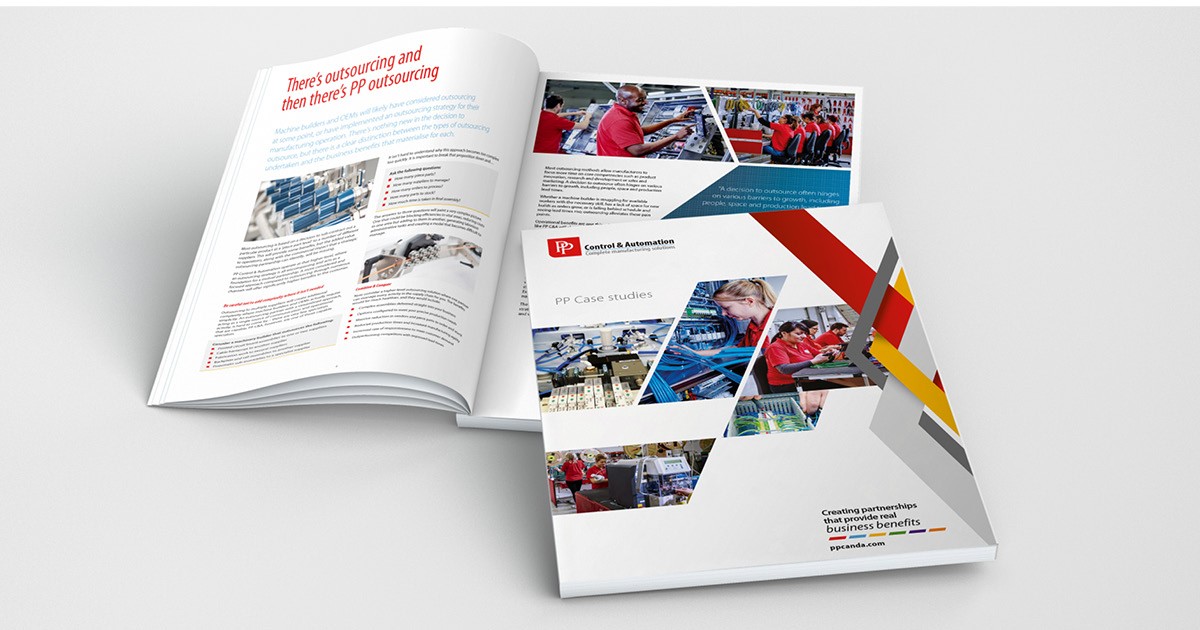
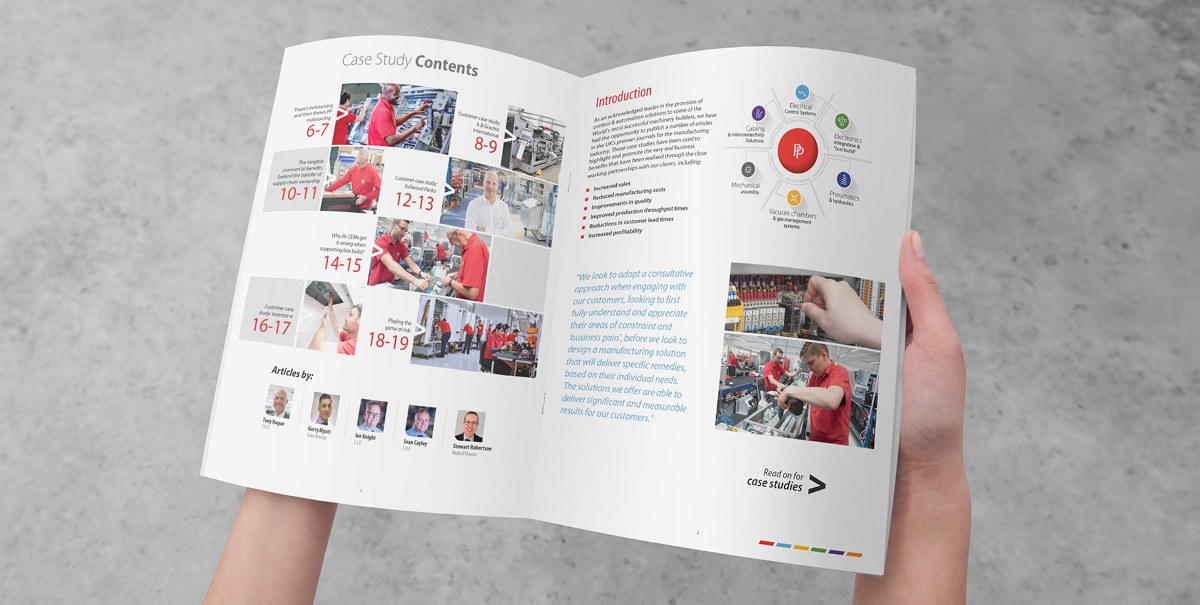
This “case study portfolio” acts as a powerful sales and credibility tool, ideal for sharing in meetings, tenders, or email campaigns. It also reinforces your E-E-A-T signals, showing consistent experience and expertise across multiple clients and projects.
By presenting multiple examples in one place, you make it easier for potential buyers to compare outcomes, understand your approach, and envision the impact your business could have on their own operations.
To make case studies more engaging and visually dynamic, consider presenting them as flip books. Flip book case studies turn static PDFs into interactive, animated experiences that capture attention and encourage readers to explore the content page by page.

This format allows you to showcase images, charts, pull quotes, and key metrics in a visually appealing way, making complex results easier to digest. Beyond engagement, flip books can be embedded on websites, shared via email, or used in sales presentations, adding an extra layer of interactivity that reinforces your brand’s professionalism and creativity.
For marketers looking to combine storytelling with modern digital presentation, flip book case studies are an excellent way to stand out and keep prospects interested.
Video case studies are one of the most compelling ways to demonstrate results and connect with your audience, particularly when exploring how to successfully use case studies in your marketing. They combine narrative, visuals, and testimonials to bring client success stories to life, making outcomes easier to understand and more memorable.
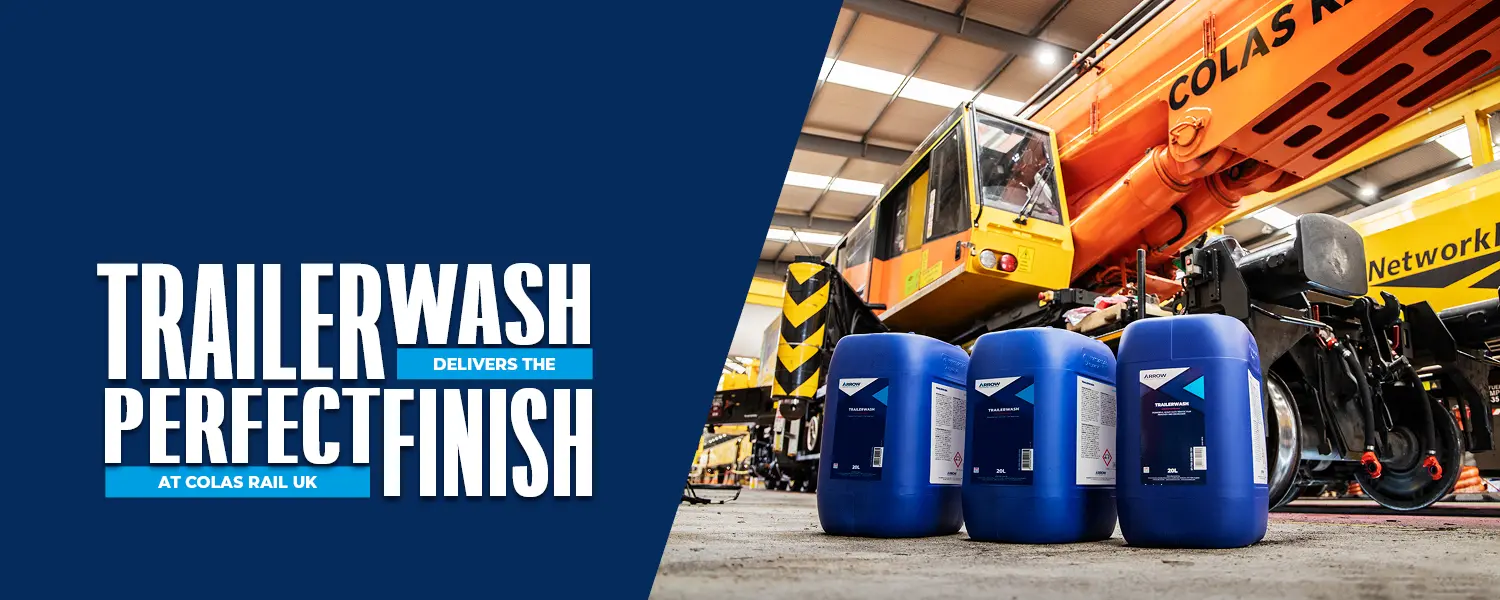
By showing real people, processes, and measurable results, video case studies enhance trust, highlight your expertise, and can be repurposed across social media, websites, email campaigns, and sales presentations.
For B2B marketers, especially in technical or manufacturing sectors, video case studies turn data and strategy into a persuasive, human-centred story that drives engagement and conversion.
As AI search accelerates and buyers demand greater transparency, case studies will only increase in importance.
Businesses that understand how to successfully use case studies in your marketing will:
Case studies are not an afterthought. They are strategic growth assets.
In 2026 and beyond, the brands that win will be those who can prove impact not just promise it. If you want sustainable pipeline growth, improved AI visibility and stronger conversion rates, the answer is clear:
Master how to successfully use case studies in your marketing and use proof as your competitive advantage.
If you are looking for more information and tips on how to successfully use case studies in your marketing, get in touch with M4M now!
A case study demonstrates real-world results achieved for a client. It provides social proof, builds trust and reduces perceived risk, helping prospects move confidently through the buying process.
For SEO and AI visibility, 800–1,500 words perform well online. Shorter summary versions can be created for sales use. Depth improves authority.
They should have a dedicated section, be linked from service pages, and appear within blog content. Strategic internal linking improves rankings and user journey flow.
Absolutely. Including percentages, revenue impact, time savings and efficiency gains dramatically increases credibility and conversion rates.
Yes. In fact, they are often more powerful for SMEs because they demonstrate capability and reduce risk for larger buyers.
At least annually, or whenever significant new results are achieved.
Yes. Long-form, structured, outcome-driven content improves organic visibility and supports AI search inclusion.

I help ambitious UK manufacturers and B2B organisations turn marketing into measurable commercial growth. With over 25 years’ experience and CIM accreditation, I specialise in strategic marketing that delivers evidence not just activity.
A core focus of my approach is demonstrating how to successfully use case studies in your marketing to build credibility, strengthen E-E-A-T signals, support sales teams and improve conversion rates. By transforming client results into structured, data-led proof, I help businesses increase trust, shorten sales cycles and win higher-value opportunities.
As Managing Director of M4M, I work closely with leadership teams to align marketing strategy with business objectives ensuring every campaign, every message and every case study drives clear ROI.