



In the wake of COVID-19, the marketing landscape for UK manufacturers has changed significantly. Trade shows, once the cornerstone of B2B marketing for manufacturers, were disrupted. However, now that in-person events have returned, there’s a new way to maximise return on investment (ROI)—by combining traditional trade shows with powerful digital marketing strategies.
This hybrid approach is not just a temporary fix but a long-term opportunity to boost leads, build relationships, and drive revenue. Here’s why UK manufacturers should combine trade shows and digital marketing and how they can get started.
Before the pandemic, trade shows were a go-to for manufacturers to showcase products, network, and generate leads. COVID-19 forced the industry to pivot towards digital marketing, accelerating trends such as virtual exhibitions and online customer engagement. In fact, 52% of UK manufacturers fast-tracked their digital transformation efforts in 2020, with many adopting online tools to stay connected with buyers.
Now, manufacturers are presented with a powerful opportunity: blending the physical with the digital. This hybrid approach extends the value of trade shows far beyond the event itself.
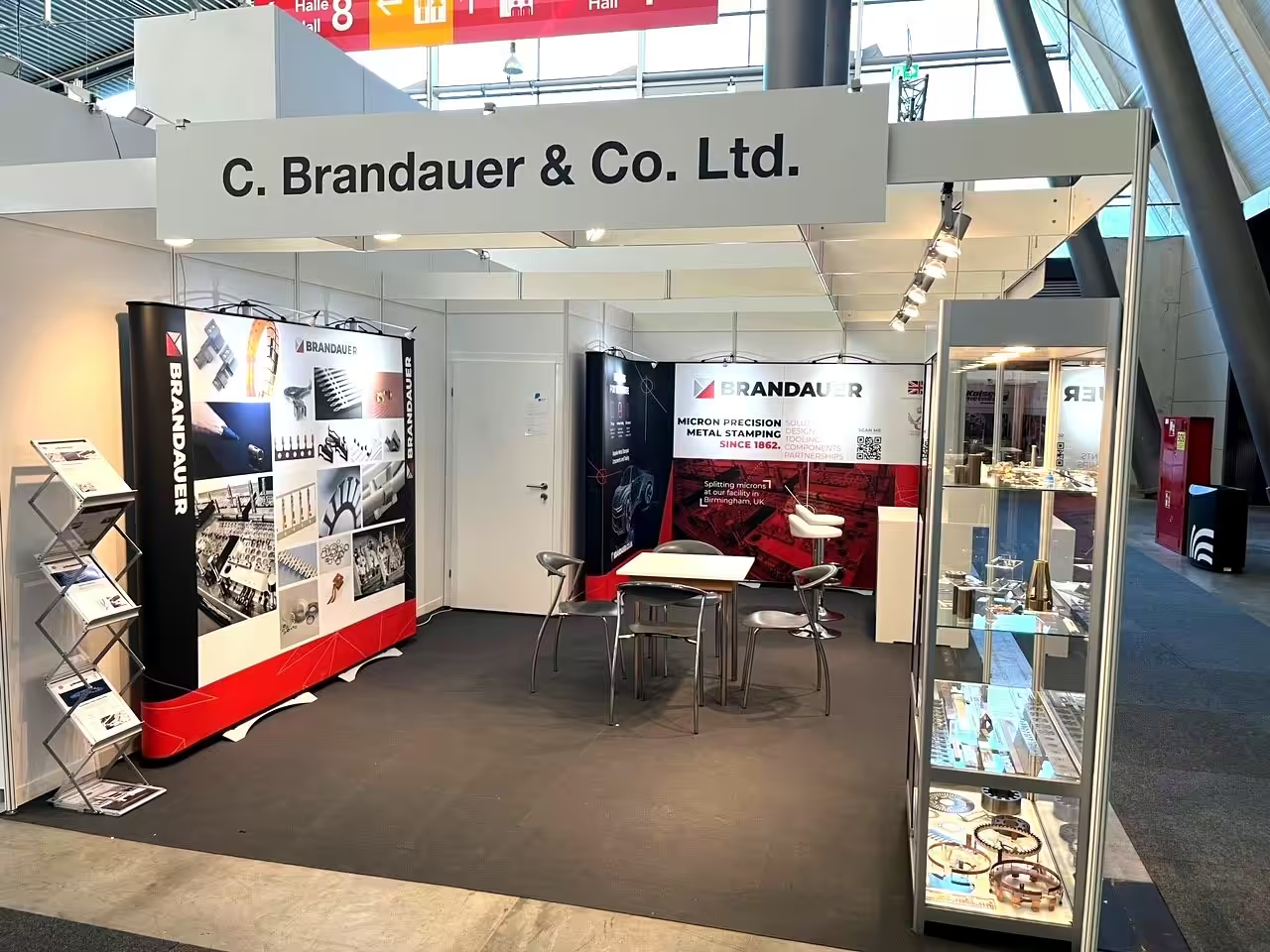
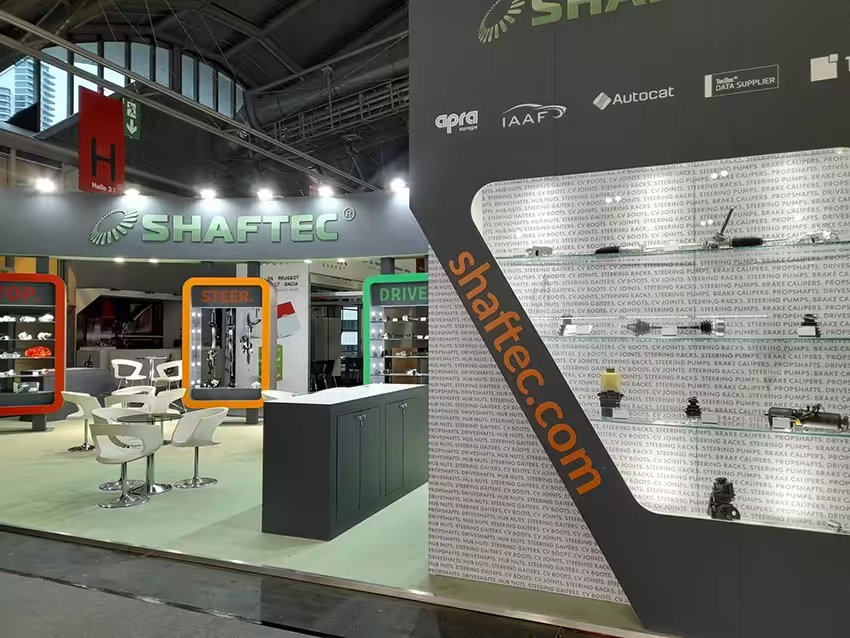
One of the biggest advantages of digital marketing is the ability to build excitement before a trade show even begins. Through targeted email campaigns, social media ads, and blog content, manufacturers can engage prospects, showcase what’s to come, and even book meetings in advance.
For example, LinkedIn is an ideal platform for manufacturers to connect with B2B buyers. A well-timed LinkedIn ad campaign could reach decision-makers in your sector, inviting them to your booth or stand at an upcoming exhibition. This level of pre-show engagement is crucial; 81% of trade show attendees have buying authority, meaning early connection efforts can significantly impact conversion rates.
While trade shows provide face-to-face interaction, digital marketing ensures your presence reaches a much wider audience. By live-tweeting key moments, posting updates on LinkedIn, and sharing Instagram stories from the event floor, manufacturers can engage with people who couldn’t attend in person.
This real-time engagement keeps your brand top-of-mind and extends your trade show visibility. Using hashtags specific to the event, your content can appear in front of industry professionals and prospects beyond those physically present.
Once the event wraps up, many businesses drop the ball when it comes to following up on leads. This is where digital marketing excels. A well-structured email campaign thanking attendees, sharing highlights, and offering more information can nurture the relationships built during the show.
Additionally, remarketing ads—targeting individuals who visited your website or interacted with your social content—can keep your brand in front of potential customers. With 80% of B2B sales requiring at least five follow-ups, digital marketing ensures that leads don’t go cold after the event.
Trade shows often feature live product demonstrations, which are great for engaging prospects on the spot. However, manufacturers can amplify this impact by capturing video content to be used long after the event. Videos of product demos, customer testimonials, or behind-the-scenes footage from your stand can be shared across social media, websites, and in email campaigns.
With 72% of buyers preferring to learn about products through video, this content serves as a powerful tool to attract and convert future customers. It also gives those who couldn’t attend the show a chance to experience your offering virtually.
To truly maximise the ROI from trade shows, UK manufacturers should strategically integrate digital marketing at every stage of the event cycle—before, during, and after. Here’s how:
Start with a comprehensive marketing plan that blends offline and online efforts. Set goals for both in-person and digital engagement, such as the number of meetings booked or social media interactions. Map out each digital touchpoint—from the emails you’ll send before the event to the retargeting ads post-show.
Digital marketing allows for precise targeting. Use tools like LinkedIn’s Sponsored Content or Google Ads to focus on your ideal buyer personas. You can even upload attendee lists (where permitted) for hyper-focused ad campaigns that speak directly to trade show attendees.
Tracking metrics like website visits, lead form submissions, and email open rates allows you to measure the impact of your digital marketing efforts. Use these insights to understand which tactics drive the most engagement and adjust future campaigns accordingly. For example, a UK manufacturer might find that leads generated from LinkedIn ads have a higher conversion rate than those from a direct email campaign.
Use digital tools like Customer Relationship Management (CRM) software to personalise follow-up communications based on attendee interactions. A personalised email referencing the specific products discussed at the event has a much higher chance of converting leads into sales.
The combination of trade shows and digital marketing isn’t just a trend—it’s the future of manufacturing marketing. While in-person events still play an important role in building relationships, digital marketing enhances and extends those efforts. By leveraging digital tools, manufacturers can engage with prospects before, during, and after trade shows, ultimately increasing their ROI and generating long-term results.
As the UK’s manufacturing sector continues to evolve post-COVID, now is the time to embrace this hybrid approach and get ahead of the competition.
Manufacturers should start integrating digital marketing early in their trade show planning. By using tools like LinkedIn Ads, CRM systems, and remarketing, companies can capitalise on the physical and digital worlds to build stronger customer relationships and drive more conversions.