



With over 30 years as a manufacturing marketeer, I’ve seen firsthand the transformative power of effective branding. I’ve also seen how a misstep during a critical rebrand can leave even the most storied companies struggling to recover.
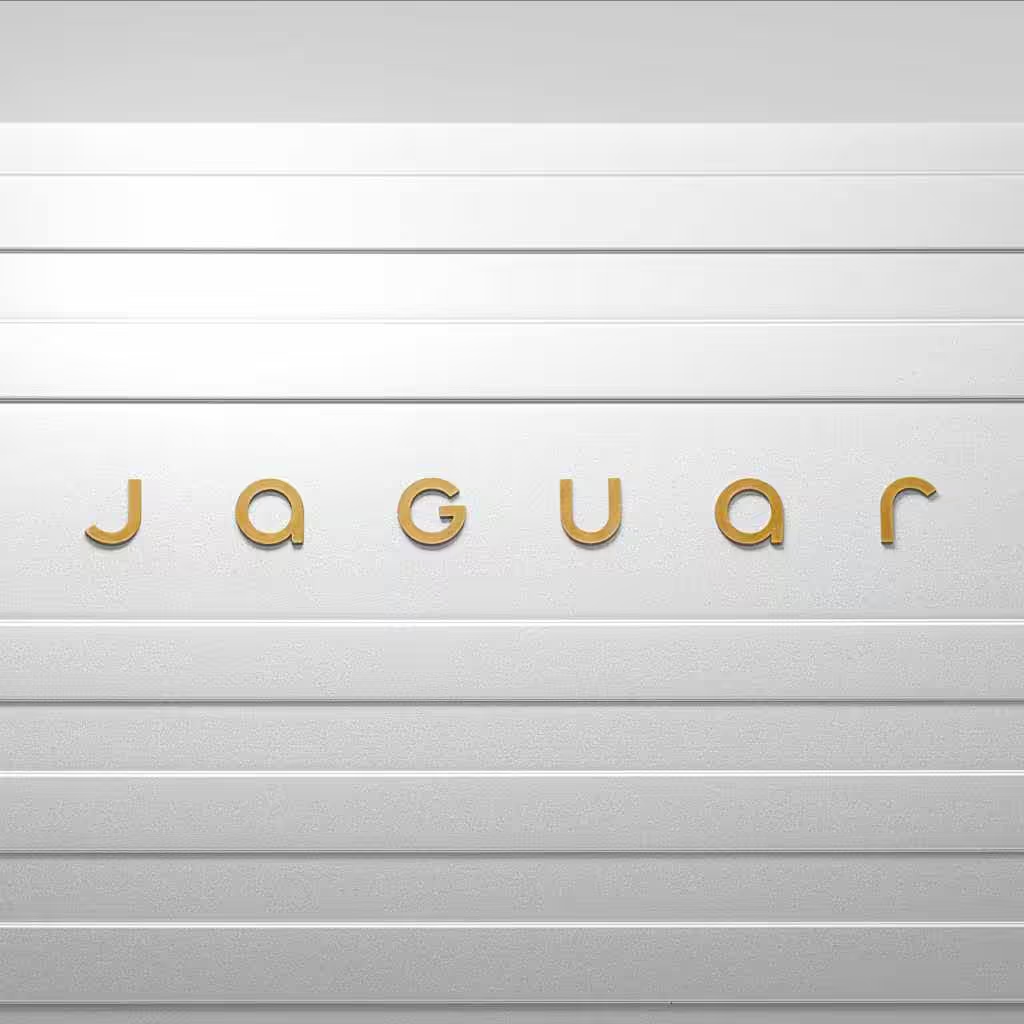
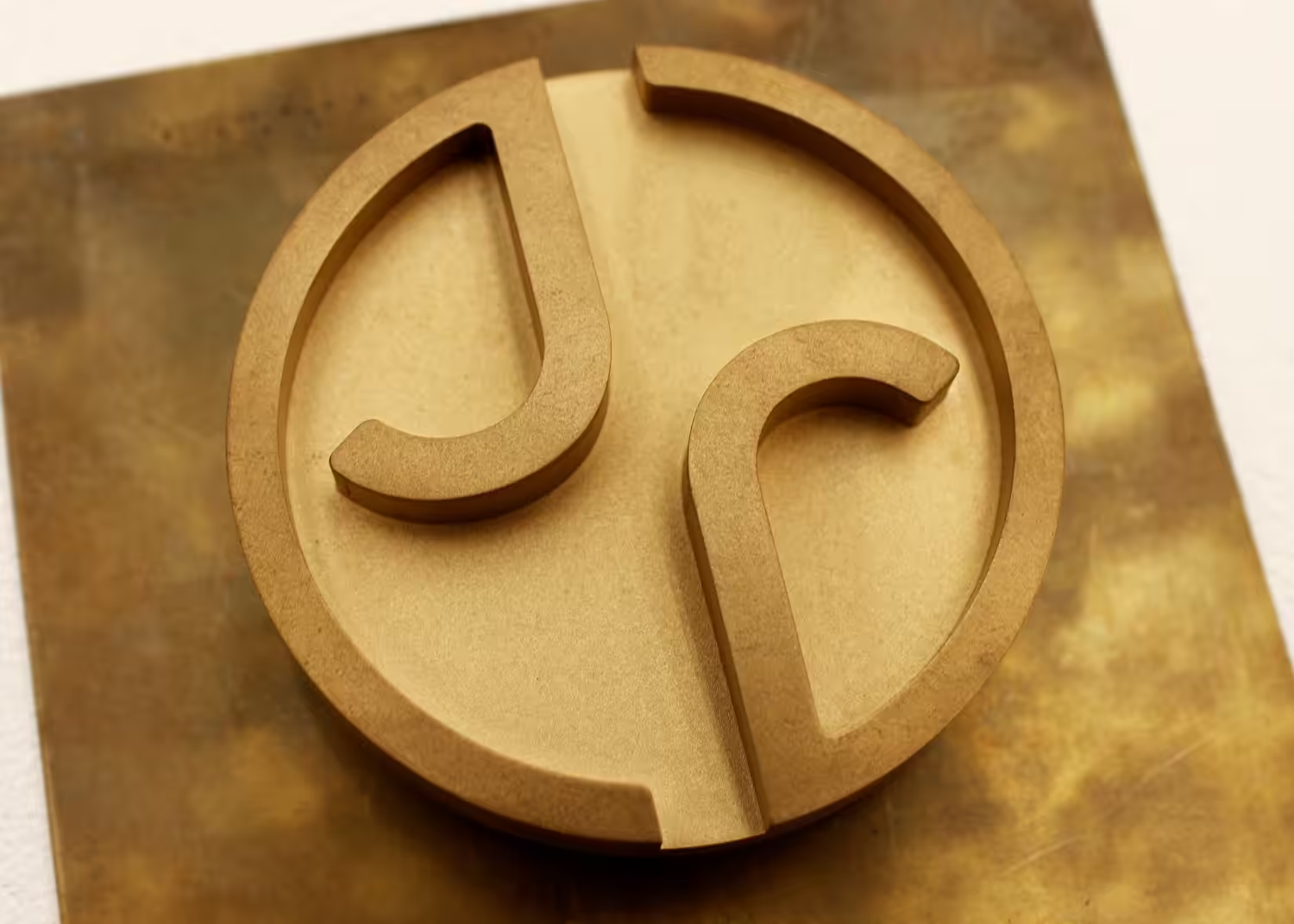
Jaguar has always stood for understated elegance, a hallmark of British luxury. Its blend of craftsmanship, performance, and subtle design has made it a global icon. Yet, in this dramatic pivot toward “Exuberant Modernism”, the brand seems to have erased any mention of its rich legacy. The new logo, described as the “artist’s mark”, and the mixed-case typography might be fresh, but they lack the gravitas and timeless appeal associated with Jaguar’s history.
Brand heritage is not just nostalgia; it’s a critical asset. For decades, Jaguar’s vehicles represented something uniquely British – an identity that resonated deeply with its loyal customer base. In abandoning this heritage, Jaguar risks severing its ties to the past without providing enough clarity about its future.
Over my career, I’ve observed how brand loyalty often stems from trust built over years, if not decades. Jaguar’s shift to a hipper younger demographic feels like a direct departure from the values that endeared it to its traditional audience. The first fully electric Jaguar, a four-door GT priced at over £100,000, symbolises this move. While impressive in specifications, it seems designed to attract a niche audience rather than cater to the brand’s broader, historically loyal customers.
Jaguar’s decision to drastically limit production – aiming for fewer than 100,000 vehicles annually – is a bold but risky play. While exclusivity may appeal to some buyers, it leaves others behind, particularly those who valued Jaguar as an accessible yet aspirational brand. It’s not just a narrowing of focus; it’s a closing of doors to many who’ve supported the company for years.
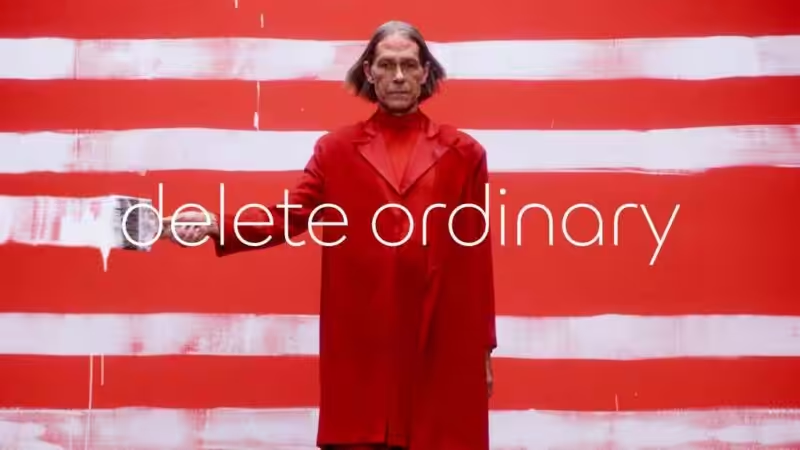
Jaguar’s commitment to electrification is admirable. The industry is evolving, and brands must adapt to remain relevant. However, the execution of this pivot seems to prioritise shock value over substance. Words such as “fearless” and “exuberant” might sound exciting in a press release, but they risk becoming empty buzzwords if not anchored by the qualities that Jaguar has always stood for: sophistication, craftsmanship, and performance.
The brand’s identity should evolve in harmony with its roots, not disregard them entirely. Tesla may have built its reputation on futurism, but Jaguar’s strength has always been its ability to combine innovation with timeless appeal. This overemphasis on futurism feels like an attempt to chase trends rather than lead with authenticity.
As someone who has worked on countless product launches, I know how critical the first impression can be. Jaguar’s first electric GT will carry the weight of this rebrand’s success – or failure – on its shoulders. It needs to embody everything the brand claims to stand for while reassuring loyal customers that the soul of Jaguar hasn’t been lost in the shuffle.
First launches are make-or-break moments. A poorly received debut risks damaging the entire rebrand, and the price tag of Jaguar’s first electric car adds even more pressure. At over £100,000, it is entering a competitive space dominated by established players such as Porsche and Tesla. Jaguar must not only deliver an exceptional vehicle, but also a narrative that resonates with both its new target audience and its traditional base.
Rebrands don’t have to abandon heritage to move forward. There’s a lingering question: could this transformation have struck a more effective balance between innovation and heritage?
While the push toward electrification and modernity is commendable, it feels like Jaguar has missed an opportunity to build on the brand equity that has made it iconic. A more thoughtful approach could have celebrated Jaguar’s storied past while signalling its readiness for a sustainable future.
Take the Jaguar E-Type, for instance – widely regarded as one of the most beautiful cars ever created. Its timeless design and cutting-edge performance captivated the automotive world in the 1960s and remain a symbol of Jaguar’s excellence. A rebrand inspired by the E-Type’s ethos could have leveraged its design language for a new generation of electric vehicles. Imagine a sleek electric sports car with nods to the E-Type’s elegant proportions, long hood, and signature grille, seamlessly combined with advanced EV technology. This strategy could have conveyed both continuity and progress, reassuring loyal customers while attracting new ones with Jaguar’s commitment to sustainability and innovation.
Other luxury automakers have successfully used this approach. Porsche’s electric Taycan, for example, incorporates design elements reminiscent of the iconic 911 while introducing a state-of-the-art EV platform. Similarly, Ford’s Mustang Mach-E drew on the heritage of the Mustang brand to launch a compelling electric SUV. These examples show that it’s possible to respect history while meeting the demands of a rapidly changing industry.
Jaguar could have drawn a roadmap that bridges its history with its electrified future. By emphasising timeless design, craftsmanship, and a clear connection to its British heritage, the brand might have created a more cohesive narrative. A strategy like this would not only honour Jaguar’s legacy but also ensure that its transformation feels authentic and compelling to both its traditional customers and a new generation of EV buyers. While the current rebrand might attract attention, only time will tell whether it will resonate – or risk becoming another case study in how not to reimagine an icon.
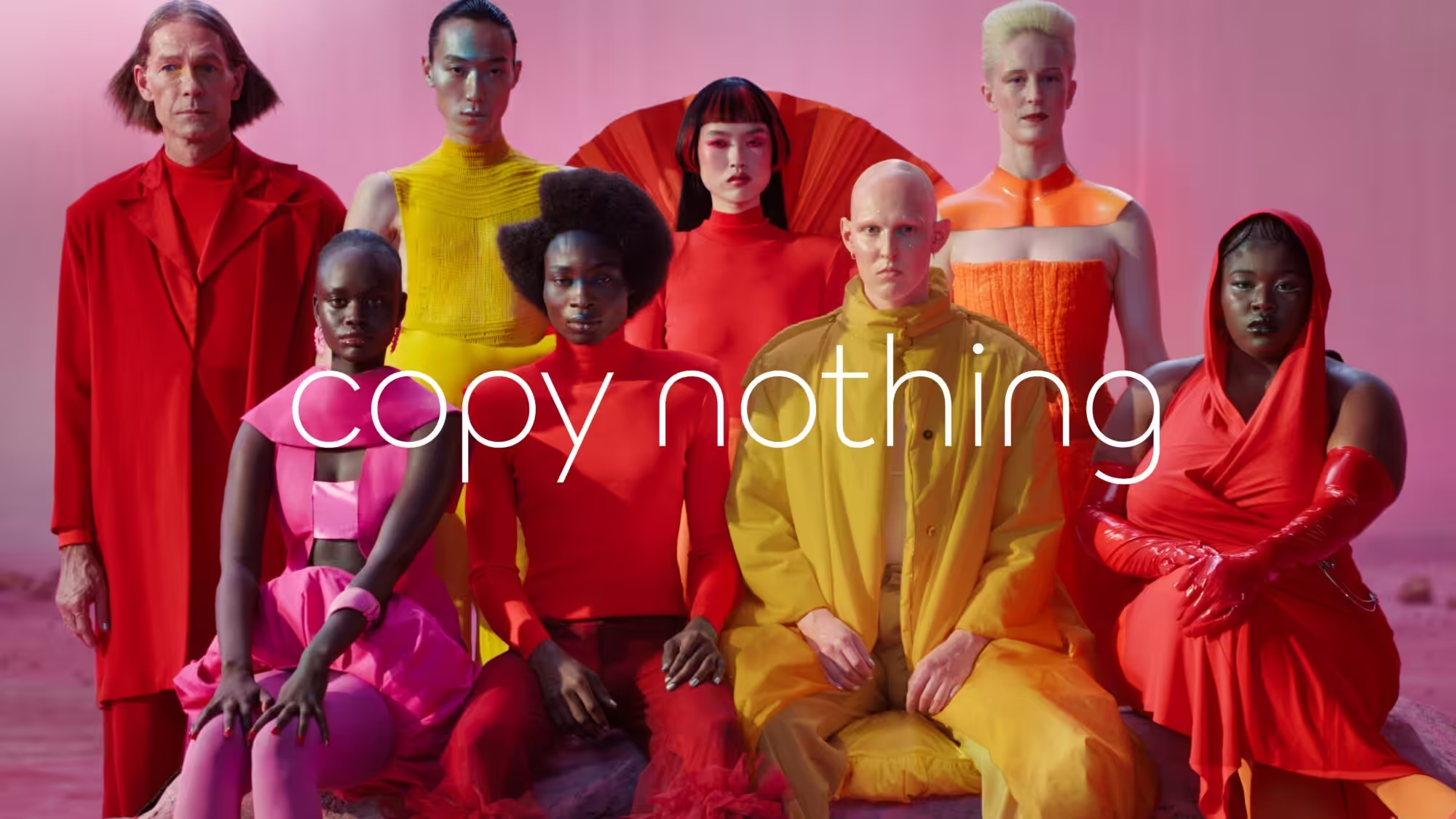
This rebrand is undeniably bold, but boldness alone isn’t enough. It needs to resonate. It needs to convince. And most importantly, it needs to feel authentic.
As Jaguar embarks on its ambitious rebrand, I can’t help but draw parallels to infamous marketing missteps like Tropicana’s packaging overhaul and Bud Light’s recent advertising controversies.
Tropicana’s redesign, which abandoned its iconic branding in favour of a minimalistic look, led to a staggering 20% drop in sales and was swiftly reversed. Similarly, Bud Light faced unprecedented backlash, resulting in a 25% year-over-year sales decline and the loss of its market leadership in the US beer market. These examples underscore the potential financial and reputational risks of alienating loyal customers through dramatic brand changes. While Jaguar’s strategy is undoubtedly bold, I hope it avoids the pitfalls of these high-profile missteps and succeeds in captivating its new audience without losing the trust of its existing base.
From my perspective, Jaguar’s shift seems to have prioritised attention-grabbing aesthetics over the qualities that built its legacy. In doing so, it risks alienating traditional customers while failing to carve out a compelling new identity. For a company with such a storied history, that’s a risk that might prove too costly.
The rebrand isn’t just about logos and slogans; it’s about what Jaguar stands for in the hearts and minds of its customers. As a driver of a Land Rover, I am fearlessly proud of its heritage and hope its ties to Jaguar doesn’t devalue its ethos. And right now, it feels like the brand has lost its way.
As Jaguar speeds toward an electrified future, one can only hope it remembers where it came from. Because while the road ahead may be electric, it should still feel unmistakably Jaguar.
Jaguar’s new branding takes a bold step toward modernity, focusing on concepts like “fearless” and “exuberant modernism”. However, it has faced criticism for seemingly abandoning its British heritage and the timeless qualities that built its reputation. The futuristic branding and exclusive market positioning risk alienating traditional customers who valued Jaguar for its understated elegance and rich legacy. Critics argue the rebrand feels like an overcorrection that prioritises attention-grabbing aesthetics over authenticity.
The rebrand appears to target a younger, more affluent demographic, with a shift to high-end luxury electric vehicles priced above £100,000. While this approach may attract new buyers, it risks alienating long-standing customers who appreciated Jaguar for its balance of accessibility and prestige. Limiting production to fewer than 100,000 units annually further reinforces this exclusivity, potentially leaving traditional customers feeling sidelined.
Jaguar could have pursued a strategy that blended its storied heritage with its electrified future. Drawing inspiration from the iconic Jaguar E-Type, for example, could have allowed the brand to incorporate timeless design elements into its new electric models. This approach would have maintained a clear connection to Jaguar’s history while signalling innovation and sustainability, similar to the success of Porsche’s Taycan or Ford’s Mustang Mach-E.
Yes, dramatic rebrands can go either way. Tropicana’s packaging overhaul in 2009, which abandoned its iconic branding for a minimalist design, led to a 20% drop in sales before the company reverted to its original look. Similarly, Bud Light’s recent marketing campaign caused a 25% year-over-year sales decline and the loss of its U.S. market leadership. On the other hand, brands like Porsche successfully integrated heritage with modernity in their Taycan launch, showing that a balanced approach can resonate with both new and loyal customers.
A first product launch under a rebrand sets the tone for how customers perceive the new identity. Jaguar’s electric GT, priced at over £100,000, is tasked with embodying the values of the rebrand while proving that the brand’s soul remains intact. In a competitive EV market dominated by Tesla and Porsche, Jaguar must deliver an exceptional product and a compelling narrative to ensure it rebrand resonates with both traditional and new audiences. A failure at this stage could undermine the entire rebrand effort, making it harder to recover customer trust and market share.