



Trade shows remain one of the most powerful tools in a manufacturer’s marketing arsenal. When done well, manufacturing trade show can deliver leads, relationships, exposure and credibility. But “doing well” takes planning, creativity and follow-through.
In this post, I will share manufacturing trade show marketing tips with practical guidance, ideas and approaches so manufacturers in the UK can get real return on investment.
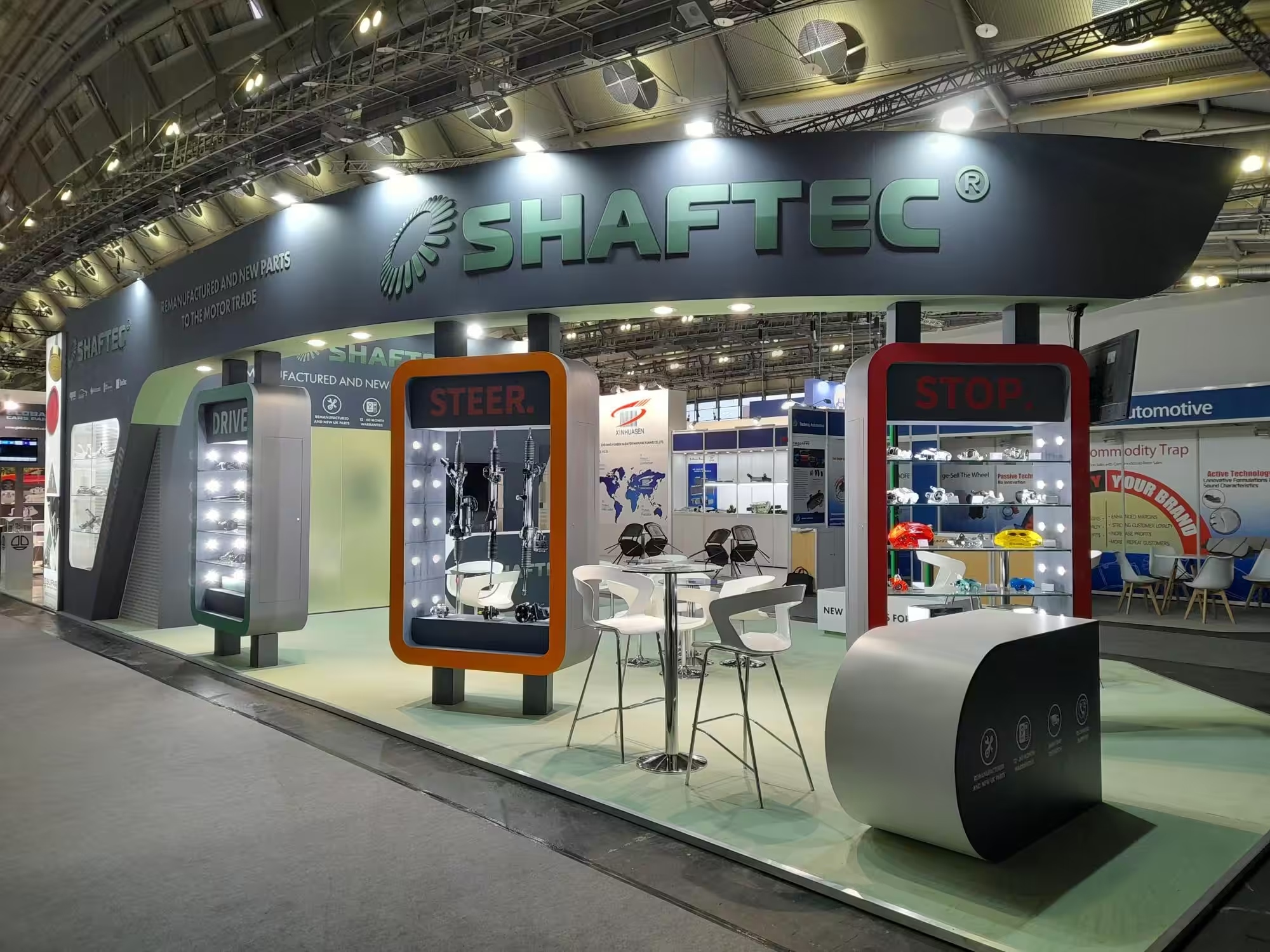
Even in an age of digital, trade shows offer something different:
Because of this, following solid manufacturing trade show marketing tips can make the difference between a show that costs money and one that pays you back.
Before you get bogged down in stands, banners or giveaways, these core principles and manufacturing trade show marketing tips will help focus your efforts.
What do you want: number of qualified leads? Appointments with distributors? Media coverage? Product launch impact? Brand awareness? Setting measurable goals gives direction to everything else. (Pre, during, post-show).
Not all trade shows are equal. Look for ones most relevant to your market, audience and product. Consider region, attendee profile, exhibitor competition, cost vs expected return. Sometimes smaller, more niche UK trade shows deliver better leads than large but unfocused ones.
A lot more goes into a trade show than just the stand fee. Think stand design and build, transport/logistics, marketing materials, promotional activity, staff travel and accommodation, lead capture tech, follow-up. Make sure you’ve allowed for all those!
Who are you trying to attract? Distributors? OEMs? Engineers? Sustainability officers? What problems do they have? What do they care about? Tailor your messaging, your stand, your demos, and even your giveaways accordingly.
Manufacturing trade show marketing tips best practice include beginning your preparations many months in advance: securing stand space, designing your booth, ordering materials, planning promos, inviting key prospects.
Good pre-show work multiplies everything you do at the show. Here are effective manufacturing trade show marketing tips exhibitors often underuse:
Announce via your website, newsletter, social media, trade publications that you will be at a certain show. Include your stand number, what you’ll be showcasing, and invite people to visit. Use teasers: “See our new product …”, “Live demo at stand …” etc.
If there are companies you want to meet (distributors, OEMs, press), send them invitations. Suggest meeting times at the show. This pre-arranged contact increases the chance of meaningful conversations.
Targeted email marketing to your list, ads (LinkedIn especially effective in B2B), perhaps social media campaigns geotargeted around the event location. Use content: blog posts, videos, teaser images showing what attendees will see.
Many visitors plan who to visit using the event guide. Make sure your profile there is strong, clear, says what you bring, what problems you address. Use compelling language, good imagery. As per UK sources: working with organisers to get access to previous years’ attendance figures or visitor profiles helps.
Bold graphics, coherent branding, consistent themes. Make signage visible from distance. Use lighting, digital screens or interactive displays to attract attention. Keep messaging simple but powerful. Make sure visitors can see what you do in five seconds.
Both print and digital: brochures, flyers, spec sheets, price lists, product demos. Also, promotional items or giveaways that are useful, relevant, memorable. Ensure everything is delivered in time and of good quality. UK-based printers, materials well vetted.
Your staff are your stand. Make sure they know the goals, know the product, know how to engage visitors, ask good questions, capture interest. Role-plays help. Plan who does what during the show: greeting people, demoing, handing out materials, capturing leads.
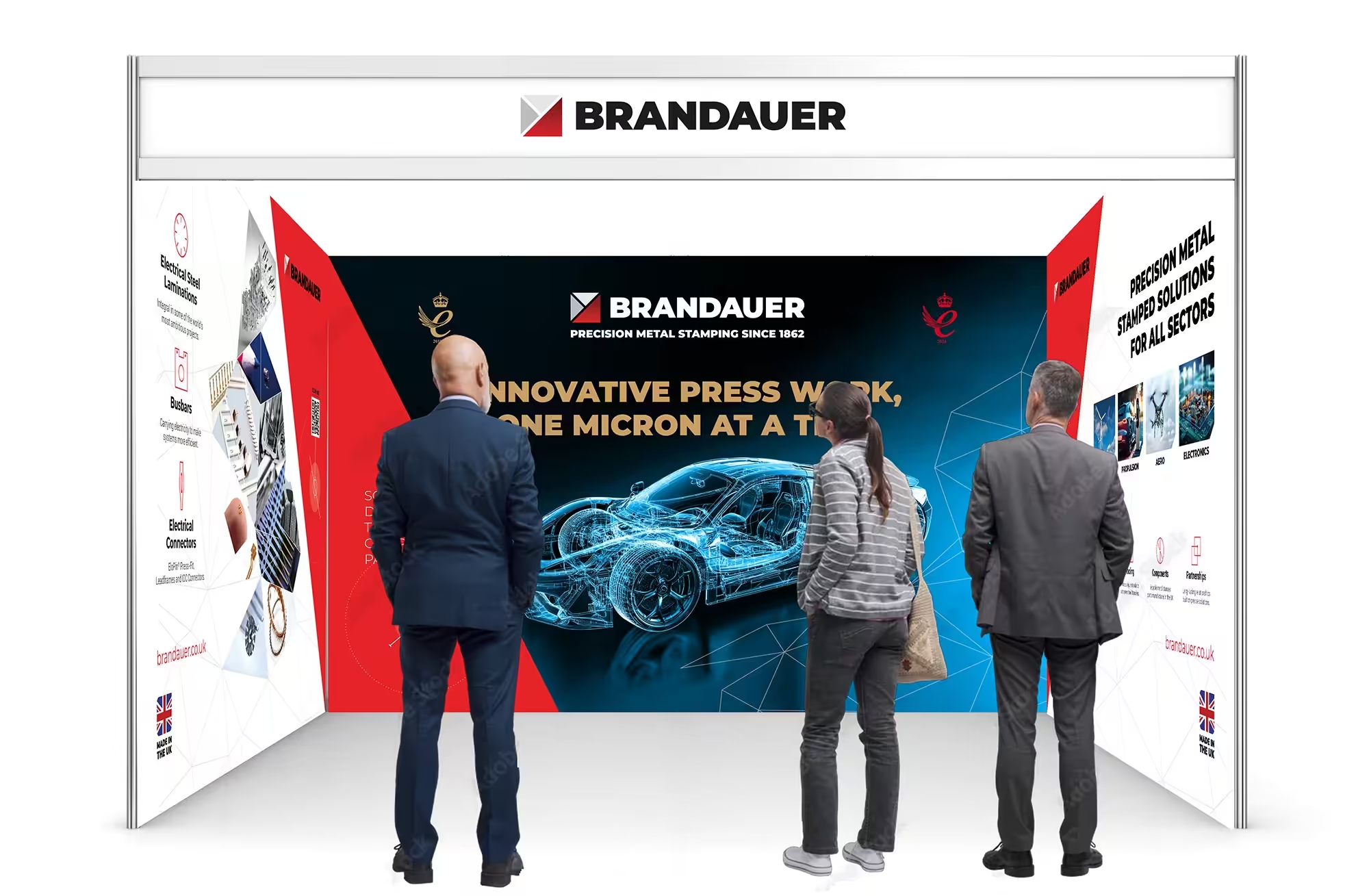
Once the event begins, how you act on the day(s) really counts. Here are some manufacturing trade show marketing tips to make the most of it:
Greet people as they approach, avoid staff being passive or hiding behind tables. Invite conversations. Use live demos, product trials and interactive elements.
Clear messaging that tells people what you offer, not just your company name or logo. What problem do you solve? Why are you different? Use large fonts and strong visuals.
Use tablets or badge scanners, QR codes, or paper forms if necessary. Make sure you record not just basic info (such as the name or company), but what they are interested in, stage of buying etc.
If possible, offer special show offers or discounts, launch product demonstrations, showcase case studies of similar clients. Give people reasons to remember you.
Share photos or short videos, tag organisers, use the event’s hashtag, and invite people to your stand. This helps draw visitors, builds visibility, and aids post-show content.
Watch what competitors are doing, and which stands are drawing crowds. Be ready to tweak your approach: repositioning signage, changing demo times, or adjusting staff rotas.
What you do after matters as much as what you do before and during. These are manufacturing trade show marketing tips that UK companies often miss.
Ideally within 24-48 hours. Send personalised emails: referring to conversations at the show, offering additional information, next steps. Prioritise “hot leads” (those showing real interest).
Not all leads are equal. Some may be ready to buy; others need information or persuasion. Use some scoring mechanism to decide who to call soon, who to send more content, and who to keep engaged longer.
Review whether you hit the goals you set: number of leads, appointments, brand exposure, and new contacts. What worked? What didn’t? What gave the best return on investment?
Use photos, quotes, videos gathered at the show for blogs, social posts and case studies. This helps prolong the value of the show.
What feedback did you get from staff? What materials did people like? Was signage visible enough? What about booth location? Use learning to improve for the next show.
Not just in number of leads but in cost per lead, conversion rates, potential projected sales, brand lift and media coverage. Use your CRM or other analytics tools.
When applying manufacturing trade show marketing tips, here are some special local things to watch:
UK-based shows often have strict requirements for health and safety, stand build, electrical safety, insurance. Make sure you comply. Also, transport of heavy or large equipment might involve specific permitted routes or planning.
Buyers, engineers and procurement professionals in the UK often value detail, reliability, case studies and proof. Reliability and reputation matter, so be ready to show your track record.
Many UK manufacturers and their buyers care about environmental credentials. Use sustainable materials in stands, reduce waste and offer digital collateral as well as print. Make sure you can talk about sustainability in your product or process.
Reach out to trade journals, magazines and professional bodies beforehand. They often publish event previews, exhibitor lists and interviews. A mention in trade media will boost credibility and drive visitors.
Space, stand design, travel, accommodation and materials cost in the UK can be high. Be smart about what really adds value versus what’s expensive but superficial. Sometimes simpler, clean stands plus strong messaging plus well trained staff will outperform flashy but over-designed ones.

To bring all this together, here are a few examples (real or composite) of manufacturers doing manufacturing trade show marketing tips UK-wise very well:
A UK tool-maker launches a new machine at a trade show. They schedule live demos every hour, send invitations to key prospects beforehand to see the demo, and record the demos for video content to use later. Their stand is simple but features bold signage, a demonstration platform and clear messaging: “Faster cuts/lower waste/better precision.” At the end, they follow up quickly with attendees who saw the demo and offer a trial period.
A components manufacturer uses email and LinkedIn outreach to people likely to attend before the show, offering an exclusive consultation at the stand or a discount if they book within a week. During the show, their staff reference the offer, capture leads, and after the show send thank yous and the special offer, creating urgency.
A packaging machinery firm builds its stand with recycled/reusable materials, uses digital catalogues rather than heavy printed ones, and uses a giveaway made from sustainable materials. They emphasise their green credentials in messaging. That attracts attention from buyers looking to reduce environmental impact.
A business hires a photographer/videographer to capture interactions, attendee feedback and booth buzz. After the show, they publish a blog post, social media wrap up, case studies of customers they met, a testimonial, use images to improve next booth design, and refine messaging.
Here’s a summary checklist of manufacturing trade show marketing tips you can use pre-, during or post-show to make sure you cover key points.
Typically you should begin planning at least 3-6 months in advance, especially for larger industry shows. UK lead times for stand space, build approvals, shipping of display materials and promotional items mean last-minute orders are often much more expensive or risky.
Budget varies a lot depending on size of stand, location, show prestige etc. As a rough guide, plan for stand hire and build, transport/logistics, staff travel/expenses, marketing collateral, promotional items, social media adverts, lead capture tools and follow up costs. It’s not uncommon for mid-sized manufacturers to spend several thousand pounds to properly “show up” and make an impact at major UK trade shows.
Tablet/touchscreen forms, badge scanners, QR codes linked to digital forms, paper forms backed up with digital capture, and business card exchange with immediate input into CRM. The key is to make the process frictionless and ensure data is clean.
By comparing outcomes against the objectives you set. Metrics might include number of qualified leads, scheduled follow-on meetings, follow-ups converted, cost per lead, value of projected sales, media mentions and increase in brand awareness. Also, feedback from staff and visitors is valuable.
Clarity of messaging, visible branding, staff who engage well, live demos or product trials, pre-show buzz, high-quality materials, and strong follow up. Also, sustainability, reliability and relevance are especially valued in the UK market.

Warren Albutt — Managing Director, M4M
Founder of leading Birmingham marketing agency
I’m Warren Albutt. I help manufacturing businesses in the UK shape their marketing so that trade show participation becomes not a cost centre but a strong return on investment. With years of experience in marketing strategy, lead generation, brand building and experience working with firms in engineering, industrial and manufacturing sectors, I bring insight from both practical and commercial perspectives.
I believe in warm, honest, creative communication. I know what works in UK manufacturing – from modest stands to big product launches, from tight budgets to ambitious campaigns. If you’d like to talk about how to apply these manufacturing trade show marketing tips UK-wise to your next event, I’d be happy to help.
Other articles:
How to monitor marketing ROI and what success looks like
Why M4M, THE digital Birmingham marketing agency, is your creative powerhouse to marketing success
Digital marketing for manufacturers: why it matters more than ever